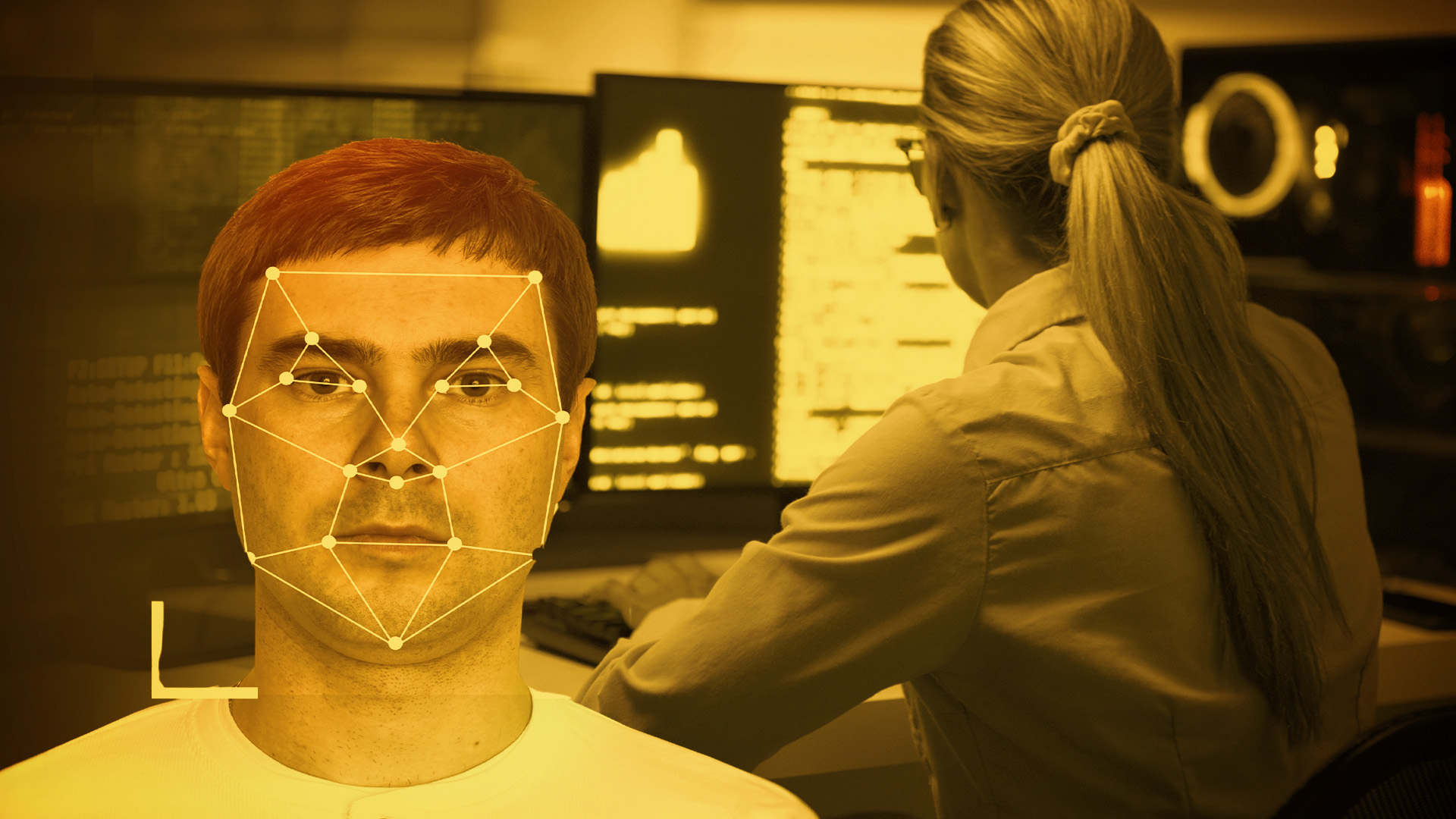
Synthetic media threats present new challenges for modern business security systems. Fraudsters now use artificial intelligence to forge employee voices and faces. This shift requires companies to update their defensive strategies immediately. Traditional security filters can no longer block these realistic fabrications. Organizations must establish a comprehensive plan to secure their digital operations.
Malicious actors deploy deepfakes to bypass authentication protocols and steal sensitive data. These attacks can damage brand reputation and cause heavy financial loss. Business leaders need to understand the scale of this synthetic risk. Implementing proactive defensive tools ensures that your workforce can intercept manipulated content. Security teams must treat synthetic media as a major threat vector.
Organizations achieve strong protection when they test their defensive infrastructure under realistic conditions. Security managers must assess how well employees spot audio and video clones. Training programs provide the necessary skills to handle these deceptive tactics. True Deepfake Preparedness demands constant testing and reliable verification tools. Companies must prepare for these digital threats before an incident occurs.
Improving Operational Awareness Against Synthetic Media Threats
Security teams require tools to analyze user-uploaded media files and incoming links. This observation allows them to spot subtle anomalies in synthetic videos. When staff members understand the psychological tricks behind social engineering, they react correctly. Building this structural Awareness ensures that employees question unusual requests from supervisors. Vigilance serves as the first line of defense against synthetic fraud.
Utilizing Red Team Simulation for Deepfake Preparedness
Red team testing mimics actual cyberattacks to discover hidden weaknesses in your security plan. Security experts create benign deepfakes to challenge the internal verification systems of the firm. This practice shows how attackers exploit human trust during communication. Regular simulations prepare the security team for complex, multi-layered digital deception. Testing exposes flaws before malicious actors find them.
Simulated attacks help managers understand how threat groups deploy deepfakes in real scenarios. These exercises use the Deepfake and Synthetic Media Analysis Framework to track intent. Security personnel learn to recognize the emotional influence factors that criminals use. This specialized simulation builds a strong defense mechanism within the corporate network. Teams handle live incidents with greater speed and skill.
Boosting Employee Awareness Through Social Engineering Tests
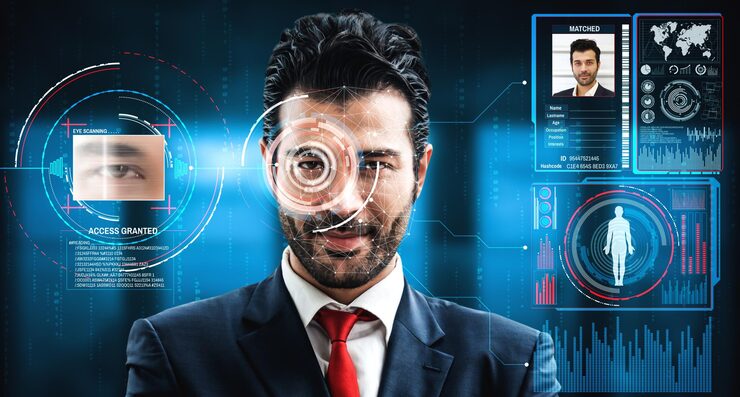
Social engineering simulations test whether staff members follow validation policies under pressure. Attackers often combine voice clones with urgent emails to trick accounting departments. Controlled tests train employees to pause and verify the source through secondary channels. This process hardens human targets against psychological manipulation. Regular testing creates a habits-based defense throughout the corporate structure.
When employees experience a fake simulation, their retention rate increases. They learn to identify mismatched audio patterns and strange video glitches. This practical experience transforms passive compliance into active security participation. Staff members become active components of the corporate security network. They report suspicious communication fast, protecting corporate assets from compromise.
Tracking Threats to Enhance Corporate Deepfake Preparedness
Security managers need clear tracking mechanisms to evaluate threat levels. Monitoring synthetic media trends helps companies predict upcoming attack methods. A central dashboard gives administrators full visibility over suspicious media files. This intelligence allows the technical team to fortify defenses against specific nation-state tactics. Tracking data gives companies the insights needed to maintain robust protection.
Analyzing threat indicators ensures that security policies remain accurate over time. Teams use empirical data to adjust their response playbooks for fake content. This proactive stance ensures that corporate operations survive complex cyber campaigns. Modern threat actors evolve fast, so companies must match that speed. Consistent observation keeps security systems ready for any synthetic media challenge.
Building a Strong Culture of Deepfake Preparedness
A secure business culture requires deep involvement from every department. Finance, human resources, and executive teams must collaborate on media safety. When all sectors adopt verification standards, synthetic media cannot breach the perimeter easily. Security leaders must provide regular updates on deepfake trends to keep teams ready. Cultural readiness forms a strong barrier against cyber criminals.
Policy guidelines should outline exact steps for verifying video and audio files. Employees need to know whom to contact when they spot an anomaly. Clear escalation paths prevent confusion during an active social engineering crisis. By standardizing these security operations, firms reduce response times and minimize errors. An organized workforce stops synthetic media threats before they spread.
Blue Team Training to Raise Cyber Threat Awareness
Blue team training focuses on defending the enterprise from active synthetic attacks. Technical staff members learn to use detection platforms to evaluate media files. They examine metadata, file structures, and compression artifacts for signs of manipulation. This technical knowledge enables defenders to block malicious payloads early. Enhanced capability ensures that your primary defenders maintain control over network safety.
Defenders must collaborate with other security teams to build unified threat intelligence. They share insights gained from analyzing fake audio and video links. This continuous information exchange keeps defensive tools aligned with current threat methodologies. Armed with accurate data, the blue team can neutralize security breaches before they harm operations. Education remains a critical asset for security operations centers.
Analyzing Deepfake Preparedness Protocols with Advanced Frameworks
Advanced frameworks analyze the motivations behind complex information operations. By integrating psychological and sociological factors, these models explain why attackers create synthetic media. Security leaders gain a deeper understanding of threat actor strategies. This analysis helps firms design better defensive protocols for long-term safety. Understanding adversary behavior ensures that your defenses meet actual risks.
Evaluating deepfake content with structured frameworks provides clear intelligence reports. These reports help executives make informed decisions about security investments. Companies can deploy resources where they will have the most impact. This evidence-based approach removes guesswork from the cybersecurity budget. Implementing structured analysis keeps the entire corporate defense system efficient and resilient.
Standardized Metrics to Measure Corporate Awareness
Standardized metrics allow companies to track improvement in threat identification. Security managers measure how many employees report fake files during routine tests. This data reveals which departments need additional training sessions. Consistent measurement ensures that the enterprise maintains a high level of security readiness. Clear metrics turn abstract safety goals into concrete corporate milestones.
Firms that track their performance can adapt to new synthetic threats faster. Leaders use quarterly reports to update their defensive systems and policies. This ongoing evaluation protects the company from unexpected financial and operational disruptions. Strong defensive metrics show partners that your organization protects its data assets. Measuring safety standards preserves enterprise trust and stability.
Conclusion
Managing synthetic media threats requires a proactive and structured approach. Organizations must invest in regular red team simulations and comprehensive employee training. These efforts secure the human element against complex social engineering tactics. Using empirical frameworks to analyze deepfakes helps teams predict and neutralize upcoming risks. Proper preparation remains the best way to safeguard corporate assets.
Building long-term security involves constant assessment and standardized metrics. When teams share threat intelligence, they create a resilient corporate defense network. This active stance preserves business continuity and protects vital brand reputations. Leaders who prioritize modern defense strategies remain ahead of criminal threat groups. Ensure your enterprise stays safe by implementing robust defense standards today.
Questions and Answers
Q1: How can organizations test deepfake preparedness?
A: Companies can test their safety systems by running controlled social engineering simulations. Red team experts create benign voice and video clones to challenge existing verification protocols. These exercises help identify weaknesses in employee response habits and communication channels. Regular testing ensures that your staff can handle actual threats without making errors.
Q2: Why is employee awareness critical against synthetic media?
A: Automated filters often fail to spot high-quality deepfakes sent via direct lines. Human observation serves as the final barrier against sophisticated synthetic fraud. When staff members maintain strong awareness, they verify unusual requests through secondary channels. This active scrutiny blocks unauthorized financial transactions and data breaches.
Q3: What role does behavioral science play in deepfake preparedness?
A: Behavioral science helps security managers understand why threat actors choose specific psychological triggers. Understanding these emotional influence factors allows companies to predict attack patterns. This analysis enables the security team to build smarter response playbooks. Incorporating these insights into your defense plan enhances long-term operational resilience.