Technology is advancing at an unprecedented pace, with breakthrough innovations setting the stage for transformative change. From artificial intelligence to sustainable energy solutions, these advancements are not only enhancing industries but also redefining what’s possible. Let’s explore the key tech advancements driving the next big thing and how they’re shaping the future.
Artificial Intelligence: Leading the Charge
Artificial intelligence (AI) remains at the forefront of innovation, driving efficiency, creativity, and decision-making across industries. Generative AI tools like ChatGPT and DALL-E are revolutionizing content creation, enabling businesses to automate tasks while maintaining a human touch.
In healthcare, AI-powered diagnostic tools are identifying diseases earlier and more accurately, saving lives and reducing costs. Meanwhile, predictive analytics in retail and logistics are optimizing supply chains, ensuring faster deliveries and improved customer experiences.
Quantum Computing: Revolutionizing Problem-Solving
Quantum computing is poised to become the backbone of future innovation, solving problems traditional computers cannot handle. From simulating molecular structures for drug discovery to enhancing encryption in cybersecurity, quantum systems are unlocking possibilities across sectors.
This breakthrough technology is particularly impactful in finance, where quantum algorithms are optimizing portfolios and analyzing market risks with unparalleled speed and accuracy.
Renewable Energy: Powering a Sustainable Future
The energy sector is witnessing significant breakthroughs that are reshaping how we power our world. Solar panels with record-breaking efficiency, advanced wind turbines, and innovative energy storage systems are making renewable energy more accessible and reliable.
Green hydrogen production and AI-optimized energy grids are further driving the transition to sustainable energy, reducing reliance on fossil fuels and cutting global emissions.
Immersive Technologies: Redefining Interaction
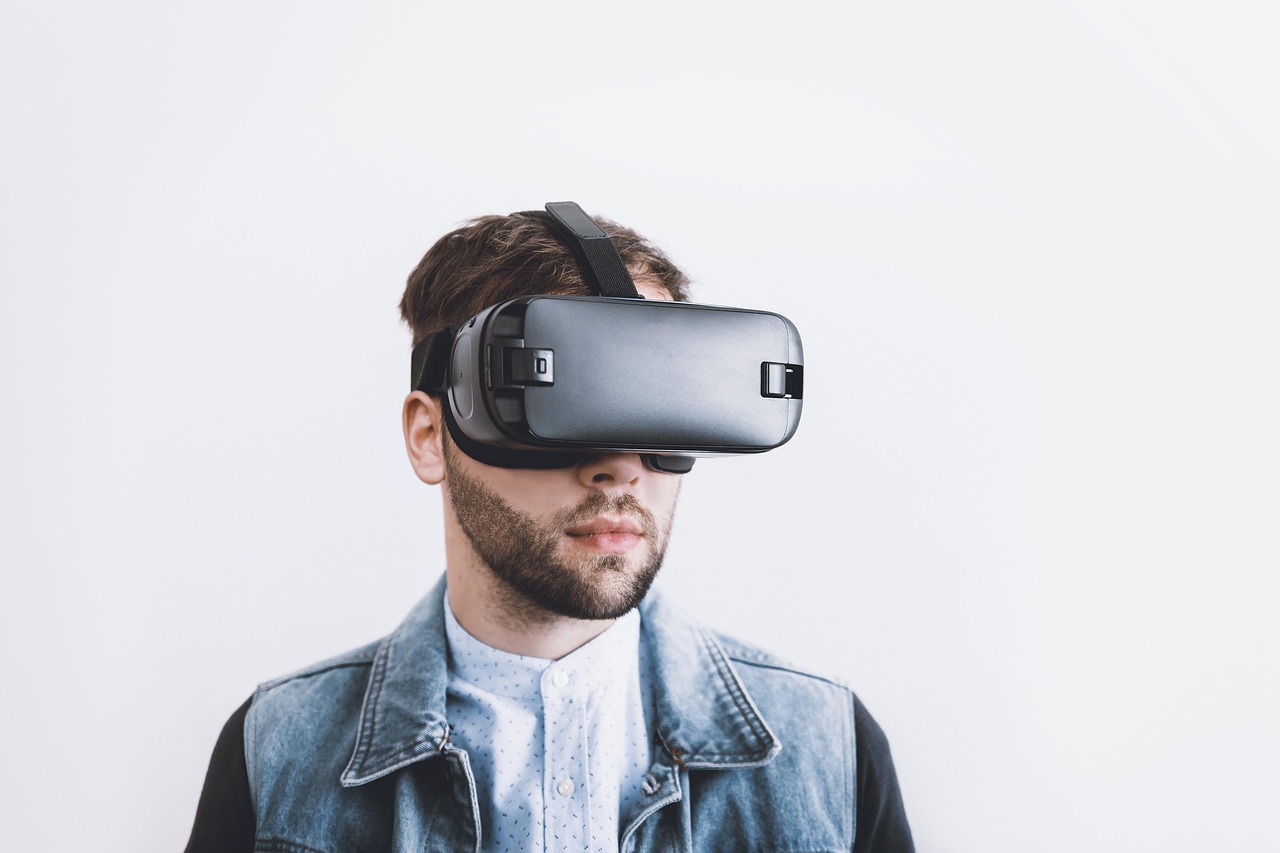
Augmented reality (AR) and virtual reality (VR) are no longer just for gaming—they’re transforming education, healthcare, and remote collaboration. AR is being used in classrooms to create interactive learning environments, while VR enables professionals to train in simulated scenarios, such as virtual surgeries or equipment handling.
These technologies are also enhancing entertainment, creating immersive experiences for concerts, movies, and gaming, bringing audiences closer to the action.
The Internet of Things (IoT): Connecting Everything
The Internet of Things is driving innovation by connecting devices, homes, and cities. Smart thermostats, security cameras, and voice-activated assistants are making homes more efficient and secure. In cities, IoT-enabled infrastructure is optimizing traffic management, energy consumption, and public safety, paving the way for smarter urban environments.