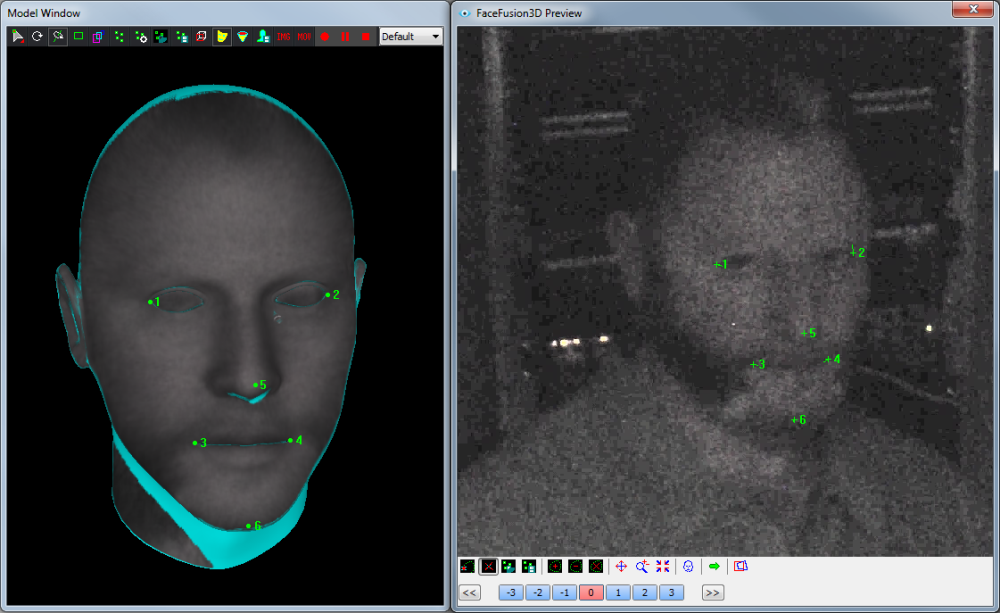
Video footage has become one of the most powerful forms of digital evidence in modern investigations. From convenience stores and parking lots to doorbell cameras and smartphones, surveillance technology is everywhere. In many cases, the most critical moments of a crime are captured in real time. But raw footage alone is rarely enough to tell the full story. This is where crime scene video analysis becomes essential, helping investigators piece together events with clarity, accuracy, and scientific precision.
Crime scenes are often chaotic and unpredictable. Witness memories can be unclear, and physical evidence may not capture every detail. Video recordings, however, offer a direct visual account. With proper forensic analysis, experts can turn blurry or distorted footage into reliable evidence that supports the truth.
- The Growing Importance of Video Evidence in Modern Cases
- How Experts Analyze Crime Scene Video Footage
- Enhancing Footage Without Altering the Truth
- Reconstructing Events Through Crime Scene Video Analysis
- Supporting Investigators With Clear and Reliable Evidence
- Challenges That Make Professional Analysis Essential
- The Role of Technology in Modern Video Analysis
- Why Crime Scene Video Analysis Will Remain Indispensable
- Conclusion
The Growing Importance of Video Evidence in Modern Cases
Law enforcement agencies rely heavily on digital recordings because they provide a factual, unbiased view of events. Cameras do not forget details or change their stories; they simply capture what happens. But even the best camera cannot control lighting, distance, environmental conditions, or unexpected movements. Most recordings are created for general monitoring, not for forensic accuracy.
This is why crime scene video analysis is a vital component of investigative work. It allows trained professionals to correct distortions, restore clarity, and identify crucial visual elements. These insights help investigators make informed decisions, confirm timelines, and support courtroom presentations.
Video evidence often becomes the foundation of entire cases, offering insights that no witness statement or physical clue could provide on its own.
How Experts Analyze Crime Scene Video Footage
Forensic specialists use a structured and scientifically guided approach to examining video evidence. They begin by preserving the original recording exactly as it was received. Every file must maintain its integrity so that it remains admissible in court. This includes keeping metadata intact and documenting all handling, from the moment the file is collected to the time it is presented.
Once secured, analysts examine the footage frame by frame. They look for visual inconsistencies, lighting changes, distortions caused by camera angle, and details that may be hidden in shadows or motion blur. Because many recordings are compressed automatically by cameras, artifacts may appear that make images unclear. Analysts use their expertise to identify what comes from the environment and what results from the device itself.
Their goal is simple but critical: reveal the clearest and most accurate version of what occurred.
Enhancing Footage Without Altering the Truth
It is important to understand that forensic video analysis is not about changing the content of a video. It is about enhancing what is already there. Experts use advanced tools to improve clarity, reduce noise, stabilize shaky recordings, and clarify details the human eye may easily miss.
Professional systems support techniques that adjust lighting, sharpen edges, and make key subjects more visible. When needed, specialists incorporate video enhancement software to refine clarity when footage is extremely dark, grainy, or distorted. These enhancements are done carefully and methodically, always ensuring the original information remains authentic.
The goal is not to manipulate evidence, but to make it more understandable and visually accurate for investigators and the courts.
Reconstructing Events Through Crime Scene Video Analysis
Crime scene video analysis also plays a major role in reconstructing events. Every motion, shadow, or reflection can help explain what happened. Analysts look for movement patterns, the sequence of actions, and the positions of individuals or objects throughout the footage.
In many investigations, reconstructing a timeline is key to understanding motive or intent. Analysts can synchronize multiple camera angles, observe behavior leading up to an incident, and determine how an event unfolded. Footage from different perspectives can be blended to create a comprehensive view of the scene, making it much easier for investigators to interpret the truth.
These reconstructions give law enforcement a clearer picture of what happened before, during, and after the incident.
Supporting Investigators With Clear and Reliable Evidence
Video analysis is not only useful for law enforcement but also for prosecutors, defense teams, and judges. Clear, enhanced footage helps legal professionals build stronger cases and explain complex events more effectively. In courtrooms, visual evidence often makes an immediate impact because it helps juries understand an incident in a direct and engaging way.
When video footage is unclear or confusing, it can create doubts and misinterpretations. Through crime scene video analysis, experts transform challenging recordings into reliable evidence that supports the truth. By presenting footage in a clarified and legally defensible form, analysts help ensure that justice is based on accurate information.
Challenges That Make Professional Analysis Essential
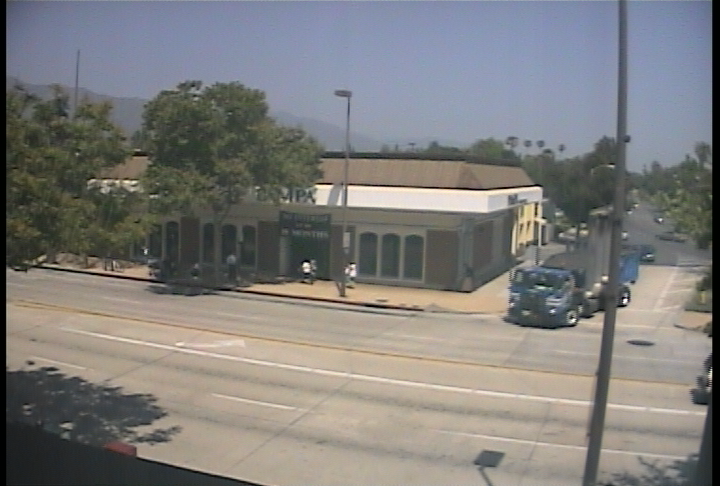
Even though many crimes are captured on camera, the quality of footage varies dramatically. Surveillance systems often use low-resolution settings to save storage space. Cameras installed outdoors face issues such as weather, glare, or sudden changes in lighting. Smartphone videos may be shaky or taken from awkward angles. These conditions create obstacles that can affect the interpretation of events.
Professionals trained in forensic video examination understand how to navigate these challenges. They identify distortions that may not be obvious to untrained viewers and address issues caused by compression, low lighting, and rapid movement. Their expertise allows them to extract meaningful information while preserving the integrity of the recording.
These skills are crucial because misinterpreting video evidence can lead to serious mistakes in investigations and court decisions.
The Role of Technology in Modern Video Analysis
Technological advancements continue to transform video forensics. Modern forensic laboratories rely on specialized platforms designed to process investigative footage safely and effectively. These platforms support filtering, image stabilization, color correction, and advanced analysis tools that help reveal otherwise invisible details.
When used appropriately, video enhancement software further supports the process by allowing experts to refine targeted areas of footage that need additional clarity. These tools are powerful, but they must be handled by trained professionals who understand forensic standards and legal expectations.
Technology amplifies human expertise, but it does not replace the analytical reasoning and ethical responsibility that forensic video analysts bring to investigations.
Why Crime Scene Video Analysis Will Remain Indispensable
As society becomes increasingly connected, video recordings will continue to play a vital role in documenting everyday life. This means video evidence will become even more common in criminal investigations. With this growing reliance comes the need for accurate, defensible, and scientifically guided analysis.
Crime scene video analysis ensures that investigators, attorneys, and courts have access to evidence that is truthful and clearly presented. It strengthens the reliability of digital recordings and helps prevent misunderstandings that could affect the outcome of a case.
The process supports justice by shedding light on moments that might otherwise be misunderstood or overlooked. It transforms raw recordings into reliable visual narratives that help reveal the truth.
Conclusion
Crime scene video analysis is more than a technical skill. It is a crucial element of modern investigations and a reliable method for uncovering the truth hidden within digital footage. With advanced tools, deep expertise, and precise forensic processes, analysts give investigators the clarity they need to make informed decisions. Whether through detailed examination, event reconstruction, or selective use of video enhancement software, this discipline continues to shape the future of justice.