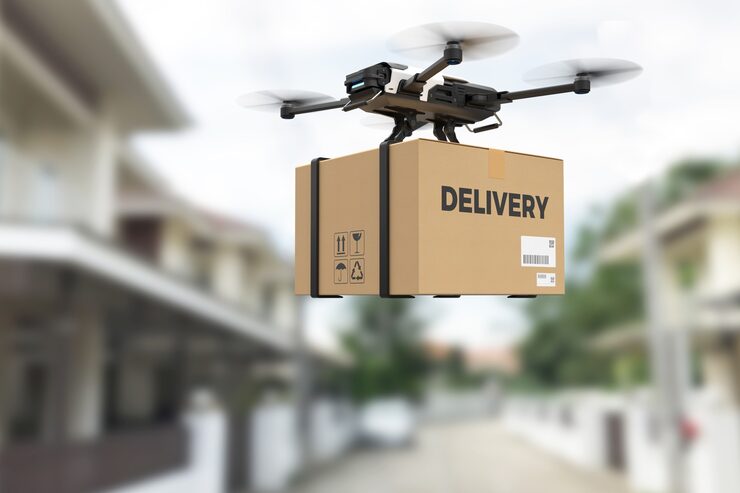
Businesses increasingly test autonomous drones for real work. These flying machines operate without pilots. As a result, efficiency improves.
Early drones needed constant control. However, automation changed that. Therefore, adoption accelerates.
What Autonomous Drones Can Do
Autonomous drones navigate on their own. They avoid obstacles. They also follow planned routes.
For example, drones inspect power lines. Meanwhile, farms use them to survey crops.
In addition, drones collect data quickly. Therefore, tasks finish faster.
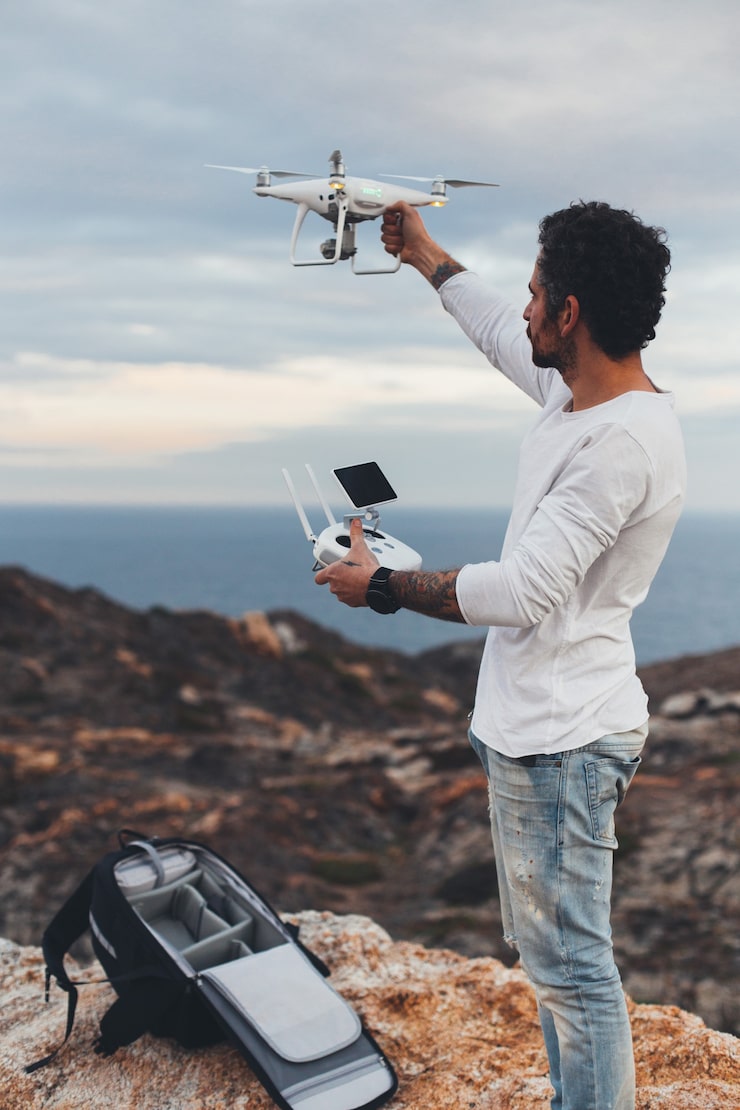
Industries Leading the Shift
Logistics companies explore aerial delivery. Speed matters. Drones reduce delays.
Construction firms also rely on drones. They scan sites safely.
Security teams use drones for patrols. Night monitoring improves coverage.
Rules and Safety Concerns
Airspace safety remains critical. Therefore, governments set limits.
Privacy also raises concerns. Cameras must follow rules.
However, regulators slowly adapt. Clearer guidelines now emerge.
Technology Making Progress
Sensors improve navigation accuracy. Batteries last longer.
In addition, software updates enhance reliability. As a result, trust grows.
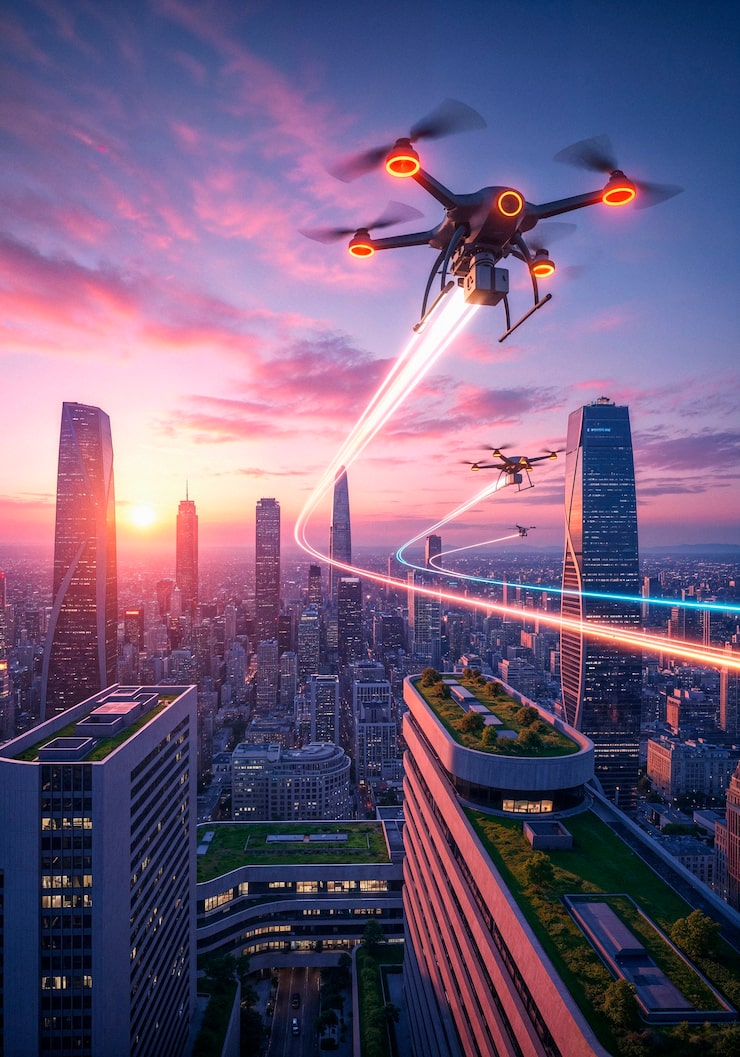
What Comes Next
Experts expect wider approvals. Commercial use will expand.
Overall, autonomous drones are moving beyond tests. Real-world adoption is underway.